Twenty-two philosophers will argue with you.One coach will tell you why you lost.
Sit across from Socrates, Kant, Nietzsche, Arendt, and twelve others. Each argues their real positions in their own voice. A coach reads every exchange and shows you the stronger move.
22 philosophers, 48 motions, free to start.
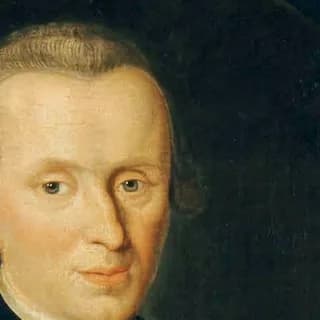
Immanuel Kant
1724-1804
Lying is never morally justified
If lying to a murderer saves my friend, then lying is obviously the right thing to do. Any theory that says otherwise is broken.
A debate partner who has actually read everything they wrote.
Every philosopher is built from their documented positions, their major works, and the objections they faced in life. Kant will not bend on lying to a murderer. Nietzsche will not apologize.
They know nothing after the year they died. Bring up the internet to Socrates and he will ask you to explain it, then reason about it the way he reasoned about the agora.
Set the terms: your side of the motion, free exchange or five structured rounds, and how hard they push. Gentle teaches as it argues. Ruthless grants nothing unearned.
The arena, with a coach at your shoulder
A structured debate against Nietzsche, round two of five. The coach has just read his reply.
Friedrich Nietzsche
Suffering is necessary for a meaningful life · you argue against · ruthless
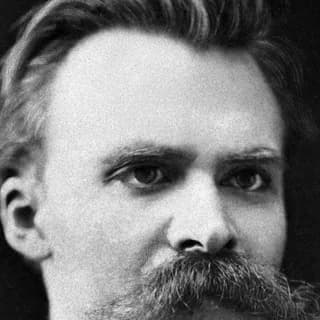
NietzscheOpening statement
Rebuttal: answer their strongest point directly. Do not just restate your case.
Two and a half thousand years at one table
In order of birth, from the Daodejing to the Cold War. Each brings their own tradition, temperament, and the argumentative habits that made them who they were.
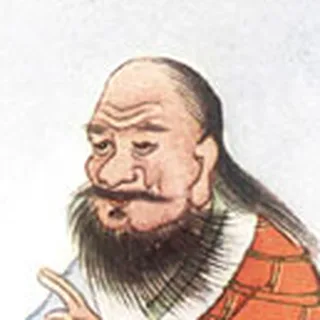 Laozi6th century BCE (traditional)Daoism
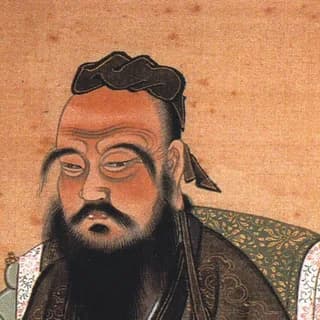 Confucius551-479 BCEChinese Classical (Ru tradition)
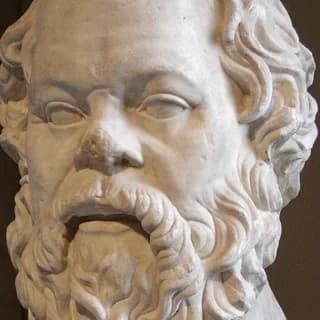 Socrates470-399 BCEClassical Greek
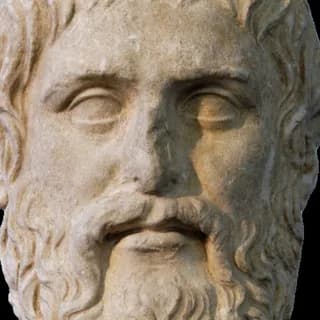 Platoc. 428-348 BCEClassical Greek
 Diogenes of Sinopec. 412 to 323 BCECynicism
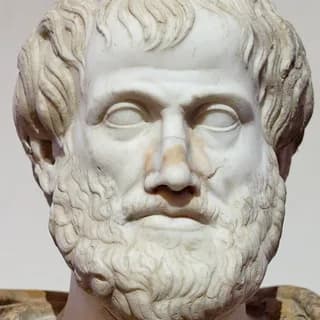 Aristotle384-322 BCEClassical Greek
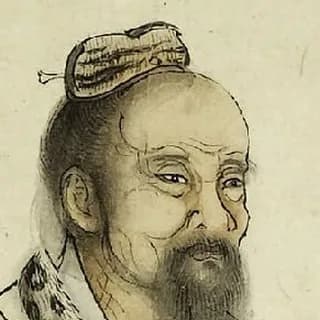 Zhuangzic. 369 to 286 BCEDaoism
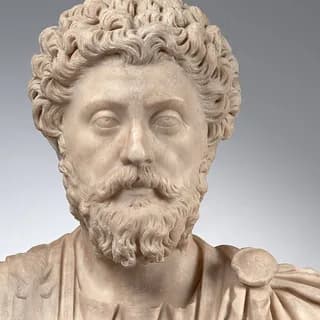 Marcus Aurelius121-180 CEStoicism
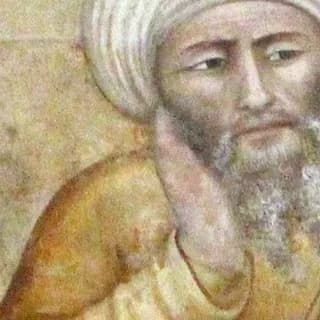 Ibn Rushd1126-1198Islamic philosophy (falsafa)
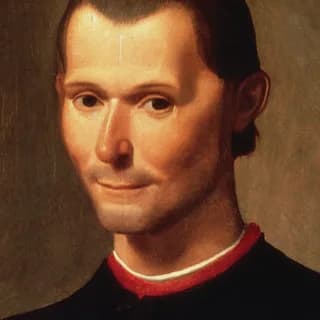 Niccolò Machiavelli1469-1527Renaissance political realism
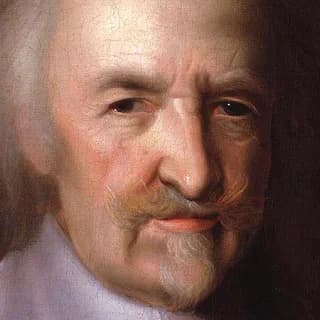 Thomas Hobbes1588-1679English social contract theory
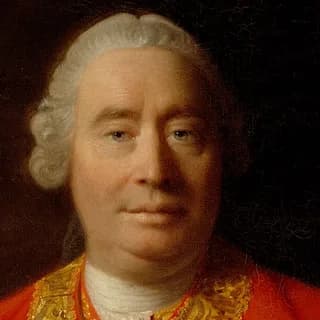 David Hume1711-1776Scottish Enlightenment
- Immanuel Kant1724-1804German Enlightenment
 Mary Wollstonecraft1759-1797Enlightenment
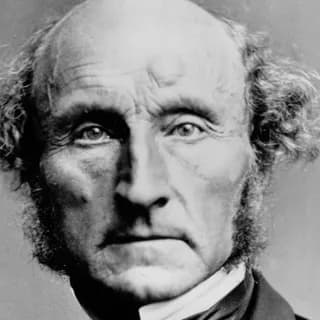 John Stuart Mill1806-1873Utilitarianism
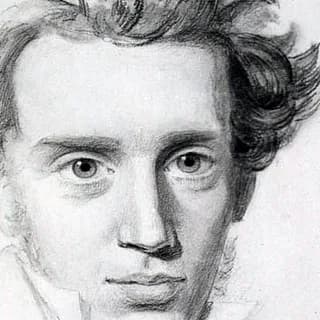 Søren Kierkegaard1813-1855Christian existential thought
- Friedrich Nietzsche1844-1900Continental
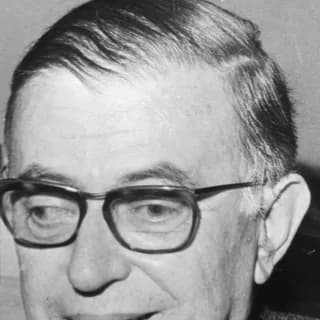 Jean-Paul Sartre1905-1980Existentialism
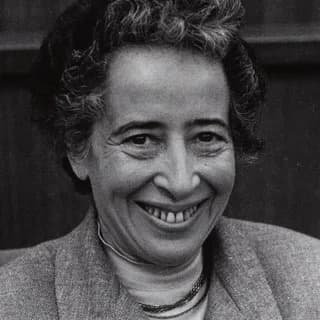 Hannah Arendt1906-1975Political theory
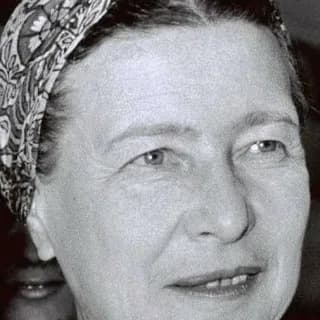 Simone de Beauvoir1908-1986Existentialism
 Simone Weil1909-1943Mysticism
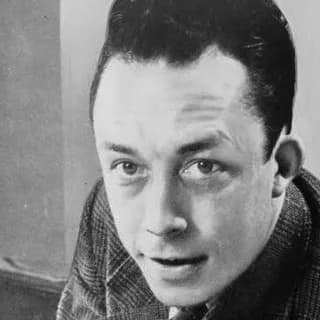 Albert Camus1913-1960Absurdism
A coach who works between rounds and after the bell
During the debate, a short note after every exchange. Afterwards, a scorecard that reads the whole transcript. In between, drills for whatever the scorecard found.
Argument lab
Paste an argument. Get its claim, its premises, the assumptions you did not state, the objection you will face first, and a rebuilt version in your own voice.
Rebuttal drill
One strong argument at a time, in a philosopher's voice if you like. Three hints, revealed one at a time. A graded answer and a model rebuttal.
Fallacy library and quiz
Thirty-five ways arguments go wrong, with how to spot each and what to say when your opponent commits one.
48 motions, both sides argued properly
Every motion comes with four strong arguments for and four against, each with a real example, plus key terms, the traps debaters fall into, and where each philosopher stands.
Human beings have free will
Mind and self · intermediate
KantHumeSartreNietzscheSufficiently advanced AI deserves moral consideration
Technology and AI · advanced
KantHumeMillSartreThe death penalty is justified for the worst crimes
Law and justice · beginner
KantCamusMillSocratesLife can be meaningful without God
Life and meaning · intermediate
CamusSartreNietzscheKantLarge inequalities of wealth are unjust even when acquired fairly
Society and culture · intermediate
AristotleMillNietzscheWeilThere is such a thing as objective truth
Knowledge and truth · intermediate
PlatoNietzscheKantHume
Then the whole transcript is read back to you
Five criteria on a calibrated rubric. Every fallacy quoted with its turn number. A turn by turn account of the move you made and the stronger one you could have. The best thing you said. The openings you missed. A training plan for next time.
And a closing verdict from the philosopher, in character.
Example scorecard
Against Immanuel Kant
Lying is never morally justified · you argued against · structured
73
Strong
You argued with more care than most who take up the murderer at the door, and your distinction between deceiving and withholding was well drawn. But you never told me what makes a maxim universal, and until you do, your exceptions have no floor beneath them. Return with that, and I will listen again.
Kant’s verdict, in character